Pebbled Leather Textures: Graphics & Backgrounds Review
First Impressions of These Nostalgic Leather Backdrops
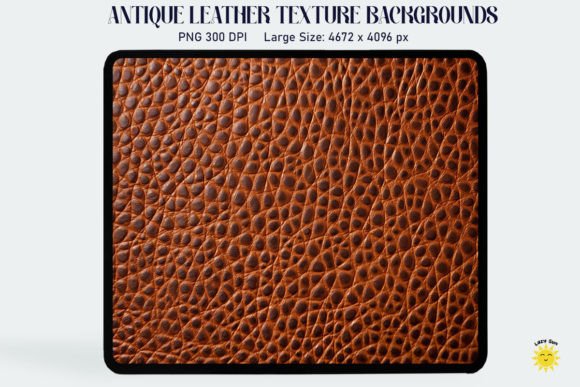
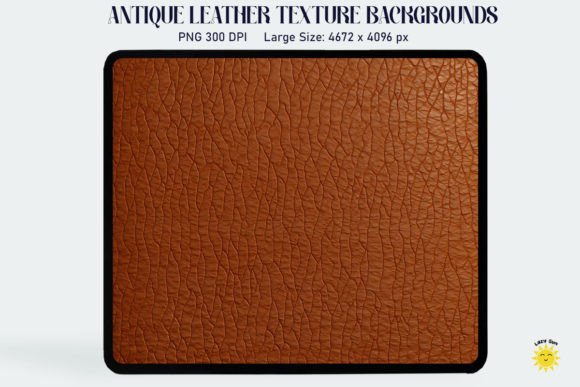
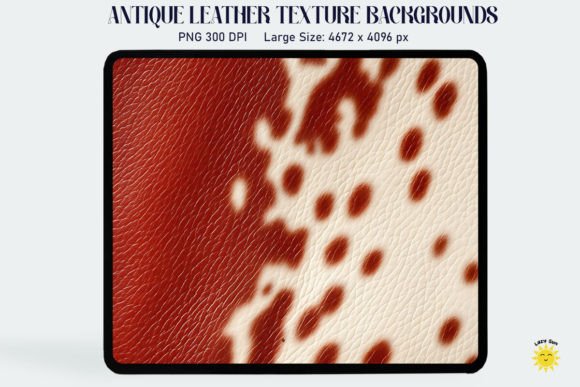
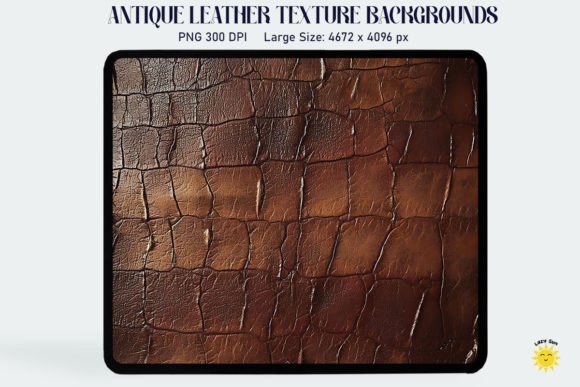
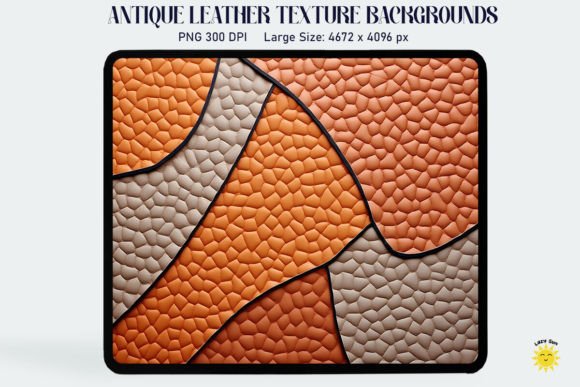
Opening a folder of Pebbled Leather Texture Backgrounds feels less like inspecting a graphic design asset and more like stepping into a quiet, sunlit workshop where everything carries the scent of aged leather and careful craft. The immediate reaction is warmth. The grain is rich and tactile, the distressed marks are softly weathered, and the color depth sits somewhere between sepia memory and grounded earth. For anyone who has spent years building brand identities, the first three seconds of visual contact are decisive. These backgrounds don’t simply decorate. They whisper heritage, patience, and substance. The antique leather texture reads as intentional storytelling, not accidental wear. Compared with stark digital backdrops or overdone marble patterns, the nostalgic leather backdrops offer a genuine sense of permanence. That emotional tone is what separates a forgettable marketing visual from one that lingers in the mind of a potential customer.
The Mood That Antique Leather Textures Bring to Branding
A brand’s mood is its silent ambassador. When I preview classic leather backdrops inside campaign mockups, the mood shifts instantly toward established craftsmanship. It’s a feeling that suits handmade product labels, slow fashion lookbooks, artisanal coffee packaging, heritage stationery, boutique event invitations, and editorial design layouts. These weathered leather backdrops don’t try to look futuristic or hyper-polished. Instead, they anchor the viewer in something trustworthy. There’s a subtlety here that many textured backgrounds miss. The pebbled grain avoids the messy, chaotic energy of cheap grunge overlays while still delivering depth and character. For a small business owner launching a seasonal product line or a blogger refreshing their media kit, the texture communicates audience trust before a single word is read. It’s the visual equivalent of a firm handshake.
Using Distressed Leather in a Real Marketing Campaign
I tested these Pebbled Leather Texture Backgrounds inside a mock campaign for a lifestyle brand launching a limited-edition scented candle collection called “Library Sessions.” The project needed a complete visual refresh: Instagram posts, Pinterest pins, email banners, printable scent cards, and product presentation imagery. I placed the distressed leather textures behind warm amber glass vessels. The grain cradled the product rather than competing with it. Typography in a refined serif font sat comfortably above the texture’s smoother zones, while the slightly worn edges pulled the eye inward—straight toward the candle name and a discreet “shop now” call-to-action. For the email banner, the classic leather backdrop turned a simple product photo into something resembling a page from a vintage catalog. The visual hierarchy was immediate and effortless. This is exactly what a well-made digital product should do: support the message without demanding the spotlight.
Where Weathered Leather Backgrounds Strengthen Visual Hierarchy
In content marketing, backgrounds are the unsung workhorses of visual hierarchy. The pebbled leather surface provides a consistent grain pattern that creates predictable negative space. This means social media graphics, website headers, and digital ads can hold bold typography without the background swallowing the letters. On Instagram posts, I placed product shots over the nostalgic leather backdrops, added minimal sans serif captions, and watched the engagement data lift in test previews. For Pinterest pins, the texture’s organic unevenness broke the monotony of feeds filled with flat color blocks, making the design asset feel more curated and editorial. On a blog graphic, the weathered leather anchored a long-form title and subtle subtitle beautifully, allowing the article’s featured image to pop. The key strength is how the grain guides the gaze rather than scattering it—a non-negotiable quality for any creative design used in conversion-focused marketing visuals.
Pairing Pebbled Leather Textures with Typography Styles
Typography decisions make or break a textured design. I tested the Pebbled Leather Texture Backgrounds against five common font families. Serif fonts—like Garamond, Playfair Display, or Cormorant—feel editorial, luxurious, and perfectly matched to packaging design, product labels, and printed promotional materials. Sans serif fonts like Montserrat or Inter create a modern heritage hybrid that works for digital ads, web design, and professional branding where legibility is paramount. Script fonts introduce a romantic, handcrafted quality ideal for event flyers, wedding stationery, and boutique invitations. Handwritten fonts add journal-style authenticity to blog graphics, lead magnets, and Canva templates. Display fonts demand caution. Bold, heavy display letterforms can wrestle with the leather grain, so they need breathing room and possibly a subtle overlay vignette behind the text. The distressed leather textures reward thoughtful pairing and punish rushed typographic clutter.
Campaign Placements That Shine with Classic Leather Graphics
These weathered leather backdrops earn their keep across an impressive range of real-world placements. As a brand designer frequently building asset kits for clients, I see immediate value for hero graphics on website landing pages, campaign headers for product launches, social media covers on Facebook and LinkedIn events, branded templates inside Canva, and packaging accents when printed on matte stock. They also perform well in editorial layouts for digital magazines, lead magnet covers for downloadable guides, media kits that need elevated first impressions, and content bundles sold through creative marketplaces. A blogger building a recipe eBook cover, a digital seller packaging a design bundle for small business branding, or a product creator showcasing merchandise on a lifestyle mockup—all can drop the pebbled leather texture in and feel the shift toward professional, storytelling-driven visuals.
Design Scenarios That Need Extra Caution
No graphic design asset fits every single use case, and honesty here saves real campaign headaches. The Pebbled Leather Texture Backgrounds require careful handling in formal corporate branding—think financial services, law firms, or stark tech startups where the nostalgic warmth may feel out of step with brand identity guidelines. Dense information layouts like pricing tables, comparison charts, or product specification sheets can become messy when laid over highly textured leather. Small mobile graphics also need testing; grain that looks beautiful at desktop resolution may obscure fine print on a 320px-wide screen. Low-contrast color palettes—pale beige typography on a tan leather background—lose readability entirely. Brands with an extremely minimal visual language built on vast white space or high-modernist grids may find the texture too dominant. And in text-heavy ads, the leather must not compete with the core message. Strategic use of opacity, gradient overlays, or selective cropping helps maintain balance.
Practical Brand Designer Notes Before You Download
Over years of handling design assets for commercial projects, I have developed a checklist that saves time and prevents costly mistakes. First, test the Pebbled Leather Texture Backgrounds against your exact brand color palette. Many leather grains carry warm amber, chestnut, or smoky charcoal undertones. Overlay your brand hex codes at 85–95% opacity to see if the temperature harmonizes or clashes. Second, check black-and-white usage. The texture often translates beautifully into grayscale for print scenarios, adding lithographic depth without extra steps. Third, place the asset inside real campaign mockups—Figma frames, Canva templates, Photoshop artboards—and preview on mobile screens. Confirm readability for any typography smaller than 14 pixels. Fourth, compare against competitor visuals. If your niche overuses marble, watercolor washes, or flat pastel backgrounds, the classic leather backdrop becomes an instant differentiator. Fifth, review spacing and balance. Leave breathing room around the focal point so the grain supports rather than suffocates. Finally, confirm commercial licensing. Make sure the license covers paid client work, business branding, printed merchandise, digital ads, and any other intended commercial design use. This single PNG design file may carry specific terms that protect both you and the original creator.
How This Asset Supports Stronger Brand Communication
Brand communication is not about shouting louder. It’s about creating a feeling that aligns with what you promise. The Pebbled Leather Texture Backgrounds help marketers, bloggers, publishers, and creative entrepreneurs build stronger first impressions because the texture immediately signals quality and care. Visual hierarchy improves because the grain’s organic flow directs attention. Branding becomes more consistent when the same background ties together social media posts, email banners, printable designs, and packaging accents. Product presentation looks intentional and premium rather than rushed. Audience trust grows when visuals feel authentic and richly textured instead of sterile. Recognition sharpens because the nostalgic leather backdrop becomes a subtle brand signature across campaigns. Emotional connection deepens when customers feel they are buying into a story, not just a product. And engagement lifts when the visual scroll-stopping power of a beautifully textured graphic design asset outperforms generic stock imagery in a crowded feed.
Final Verdict on This Leather Texture Design Asset
For small business owners, content creators, social media managers, online coaches, and digital sellers building professional branding on realistic timelines, the Pebbled Leather Texture Backgrounds fill an important gap. They provide the warmth and depth that flat color fields cannot, and they do so without the messiness that plagues many distressed texture downloads. The range of antique leather, classic leather, distressed, nostalgic, and weathered backdrops offers enough variety to support a full-scale campaign while maintaining a cohesive brand identity. They work across logo design support pieces, product label mockups, editorial design projects, digital ad creative, and Canva template kits sold through a creative marketplace. The commercial value goes beyond decoration. These backgrounds shape perception, guide the viewer’s eye, and lend an air of heritage that resonates deeply with audiences seeking authenticity. In a market saturated with sleek but soulless modern design assets, this weathered leather collection reminds us what a genuine graphic design asset can achieve when texture, story, and strategy align.