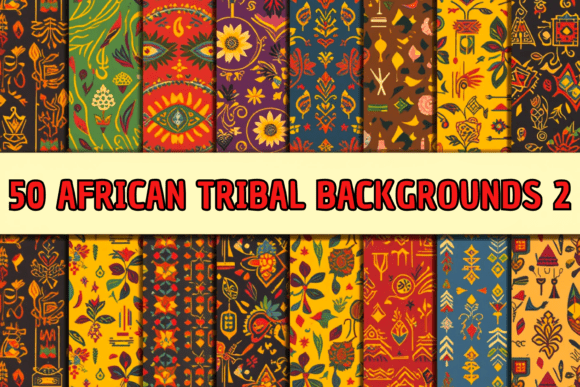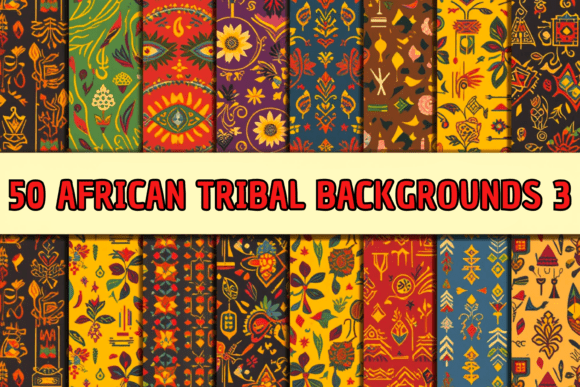
50 African Tribal Backgrounds 3 Graphics
First Impression: Bold, Warm, and Deeply Human
Opening 50 African Tribal Backgrounds 3, I felt immediate energy—rhythmic geometry, saturated earth tones, and motifs that breathe with intention. This isn’t decorative filler; it’s a graphic design asset with cultural weight and visual confidence. For a local business owner launching handmade shea butter bars or small-batch coffee blends, these backgrounds suggest authenticity, craft, and connection—not trend-chasing, but meaning-making. The mood is warm yet assertive: friendly without being cutesy, bold without sacrificing warmth, rooted without feeling dated. It leans into organic, artisanal, and culturally grounded brand personalities—ideal for skincare studios, boutique florists, candle makers, children’s toy shops, or seasonal holiday packaging.
Where It Builds Real Brand Strength
In my recent work with a West African–inspired bakery in Atlanta, 50 African Tribal Backgrounds 3 became the quiet engine behind stronger first impressions and clearer visual hierarchy. We used one angular indigo-and-ochre pattern as a subtle wrap-around band on kraft paper pastry bags—elevating humble packaging into something memorable at the farmers’ market. Another softer, dotted motif worked beautifully as a textured backdrop behind hand-lettered menu boards, making prices and specials pop without competing. These backgrounds supported small business branding by reinforcing consistency across touchpoints: same pattern family on thank-you cards, Instagram story highlights, and printable recipe inserts tucked into gift boxes.
Practical Uses Across Local Business Touchpoints
- Packaging design: As accent bands on soap boxes, tea tins, or spice jars—adding shelf appeal without overwhelming product photography
- Product label: Layered beneath transparent text overlays or used as a border frame to guide the eye toward certifications or origin stories
- Social media graphics: Hero banners for seasonal campaigns (e.g., “Kwanzaa Collection” or “Heritage Month Special”) with high-contrast typography
- Printable design: Custom hang tags, sticker sheets, and branded tissue paper for boutique owners and handmade businesses
- Marketing visuals: Posters for local pop-ups, flyers for community events, and digital ads that feel locally rooted—not stock-photo generic
- Web design: Subtle background textures behind testimonials or “Our Story” sections to reinforce brand identity without slowing load times
Where It Adds Emotional Resonance—Not Just Decoration
Customers don’t just buy coffee—they buy belonging. They don’t just grab a candle—they seek ritual and resonance. 50 African Tribal Backgrounds 3 supports that emotional connection because each motif carries inherited symbolism: zigzags for resilience, concentric circles for unity, diamond lattices for balance. When applied thoughtfully—say, on a reusable shopping bag for a home decor shop or as foil-stamped detail on a candle jar—it signals care, intention, and respect. That translates directly to improved customer trust and more polished marketing visuals, especially for businesses whose values center community, heritage, or sustainability.
Best Fit Scenarios (and Where to Pause)
These backgrounds shine brightest where visual warmth and cultural texture elevate rather than obscure: product mockups for Etsy listings, hero graphics for local shop websites, decorative brand elements on café aprons or tote bags, seasonal packaging accents, and social media campaign graphics that celebrate heritage months or cultural festivals.
Use carefully when: legal disclaimers or ingredient lists dominate labels (low contrast risks legibility), your brand voice is luxury-minimalist (e.g., monochrome apothecary), or space is extremely tight (like 1-inch-wide spice jar labels). Avoid pairing with overly busy fonts or competing patterns—this graphic design asset commands respectful breathing room.
What an Experienced Brand Designer Checks Before Launch
Before committing 50 African Tribal Backgrounds 3 to client work, I always run these practical checks:
- Test it on real packaging mockups—not just screen previews—to assess scale, color fidelity, and print grain
- Convert to grayscale to confirm tonal separation works for black-and-white printing (essential for price tags or simple stickers)
- Preview at actual label size—some intricate motifs blur or become muddy below 2 inches
- Layer it over your brand’s core palette to verify harmony (especially with warm neutrals, deep teals, or terracotta accents)
- Compare side-by-side with competitor packaging—does it stand out authentically, not just loudly?
- Inspect PNG transparency edges and SVG vector editability if you’ll need to recolor or isolate elements
- Test typography pairings: does it hold up beside serif (for elegance), sans serif (for clarity), script (for warmth), or display fonts (for impact)?
- Confirm commercial license covers physical product sales—critical for food labels, soap wraps, or retail hang tags
A Final Note for Local Business Owners
If you’re a creative entrepreneur building a local business from scratch—or refreshing an existing brand with deeper roots—50 African Tribal Backgrounds 3 isn’t just another download. It’s a tool for storytelling, differentiation, and dignity in design. Used with intention, it helps your handmade business speak with clarity, your food label convey craft, and your social media graphics reflect who you truly are—not who algorithms think you should be. In a marketplace flooded with generic Canva templates and AI-generated clipart, this collection offers something rare: visual language with lineage, ready to support professional branding that feels human, honest, and wholly yours.