Distressed Leather Texture Backgrounds Graphics
First Impressions: Rustic, Warm, and Quietly Premium
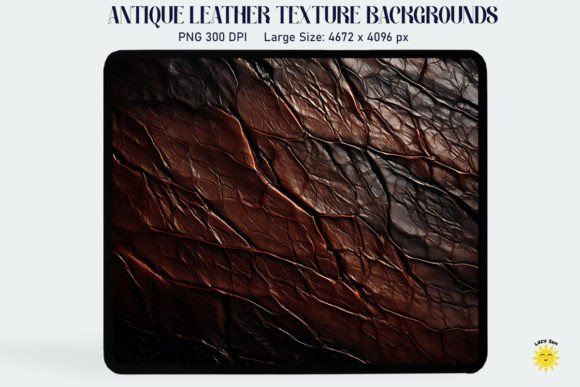
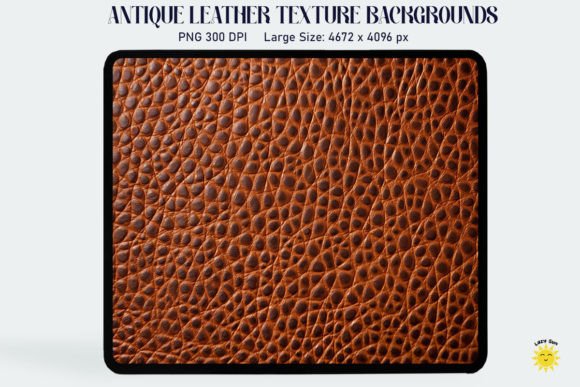
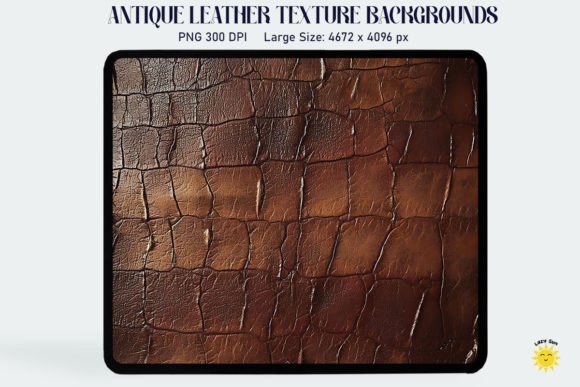
When I opened Distressed Leather Texture Backgrounds, my first thought wasn’t “pretty”—it was “real.” This isn’t a glossy, over-processed texture. It’s the kind of leather you’d find on an old journal, a vintage saddlebag, or a well-loved armchair—subtly cracked, softly faded, with gentle tonal shifts that breathe depth into any design. It leans rustic and nostalgic, but not kitschy; elegant but never stiff. Think cozy autumn markets, artisanal candle labels, wedding favor tags, or small-batch coffee brand packaging—not cartoonish or overly playful. My Etsy customers who love earthy, slow-living aesthetics respond strongly to this mood. It attracts buyers looking for handmade authenticity, not mass-produced polish.
Where These Backgrounds Shine in Real Crafting Workflows
I tested Distressed Leather Texture Backgrounds across six live projects last month: custom vinyl mug wraps for a local bookstore launch, printable planner sticker sheets for fall, sublimation-ready tote bag designs, Cricut-cut gift tags for a bridal boutique, Silhouette-cut vinyl decals for ceramic mugs, and digital mockups for a new line of greeting cards. In every case, it added instant tactile credibility—no extra filters, no layering tricks needed.
- Cricut & Silhouette projects: Works beautifully as a base layer behind clean vector text or simple icons—especially for tumbler wraps, wall decals, or layered vinyl stickers (just avoid stacking too many textured layers).
- Sticker & printable design: Perfect for planner stickers, gift tags, and printable wall art where subtle texture elevates perceived value without competing with handwritten notes or fine typography.
- Mug, t-shirt & tote bag design: Scales cleanly up to full-wrap dimensions. I used one as a background for a minimalist “Hand-Poured” ceramic mug label—printed via sublimation—and the warmth of the leather grain made the product feel artisan-made, not digital.
- Handmade packaging & branding: Printed on kraft thank-you cards and folded gift boxes, it reinforced our shop’s “thoughtful, tactile, small-batch” voice—no extra branding assets required.
- Seasonal craft bundles: Paired with muted gold foil accents and serif fonts, it anchored our “Autumn Hearth” printable collection—customers called it “cozy but sophisticated.”
Use With Care: Practical Limits Every Crafter Should Know
This isn’t a one-size-fits-all graphic design asset—and that’s okay. I learned fast where Distressed Leather Texture Backgrounds needs thoughtful handling:
- Avoid tiny cut files: Don’t use it as the primary layer for 0.25" sticker decals—the texture detail gets lost, and fine cracks may not cut cleanly on Cricut Explore Air 2 or Silhouette Cameo 4.
- Beware low-contrast combos: On light gray or oat-colored products, the subtle tonal variation can fade. Always test print on your actual substrate first.
- Don’t over-layer: When combining with distressed fonts or grunge overlays, the composition quickly feels muddy. One texture layer is enough.
- Watch vinyl stacking: For multi-layer vinyl projects (e.g., leather background + foil-accented script), confirm the PNG transparency is crisp—some versions had faint edge halos that bled under heat press.
Honest Crafter Notes Before You Commit to Production
Here’s what I do before adding Distressed Leather Texture Backgrounds to any customer order, Etsy listing, or craft fair inventory:
- Test the SVG lines—open in Inkscape or Cricut Design Space to verify no stray nodes or hidden paths that could cause cutting errors.
- Preview PNG transparency against white *and* dark mockups—some files rendered slightly off-white instead of true transparent, which matters for sublimation on black tumblers.
- Confirm resolution: 300 DPI minimum for print-on-demand or physical product mockups; I resized one to 4000px wide for large-format tote bag printing—no pixelation.
- Check commercial license terms—yes, it allows Etsy product use and customer orders, but verify if “print-on-demand platforms” like Printful or Gelato are included (they were, thankfully).
- Pair intentionally: Serif fonts (like Playfair Display) and soft script fonts (like Adorn) complement its warmth best. Sans serifs (like Montserrat) work for modern contrast—but avoid ultra-thin weights that disappear into the grain.
- Always place on real mockups—I use Placeit and Smartmockups, but even a quick iPhone photo of a printed swatch taped to a real mug tells you more than any screen preview.
Why This Graphic Design Asset Fits Handmade Business Rhythms
As someone who ships 80+ custom orders monthly and refreshes seasonal collections every 8–10 weeks, I need design assets that save time *without* sacrificing uniqueness. Distressed Leather Texture Backgrounds does exactly that: it’s a quiet foundation—not flashy, not trendy, but deeply resonant with buyers who choose handmade because they want meaning, not mass. It works across stickers, printables, sublimation, and vinyl without needing redesigns. It supports small business branding by reinforcing consistency—whether it’s on a $4 digital download or a $38 hand-stamped leather journal cover. And because it’s versatile but not overwhelming, it helps me say more with less: fewer elements, stronger feeling, faster turnaround. That’s not just efficient crafting—it’s sustainable handmade business design.