Antique Leather Texture Backgrounds Graphics
First Impression: Warm, Timeless, and Quietly Authoritative
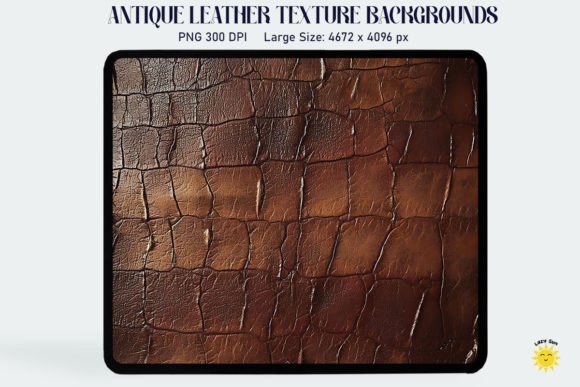
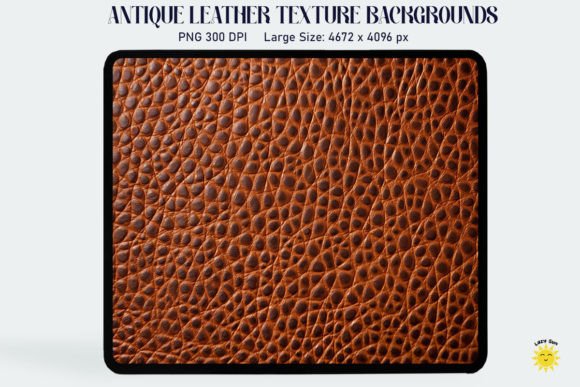
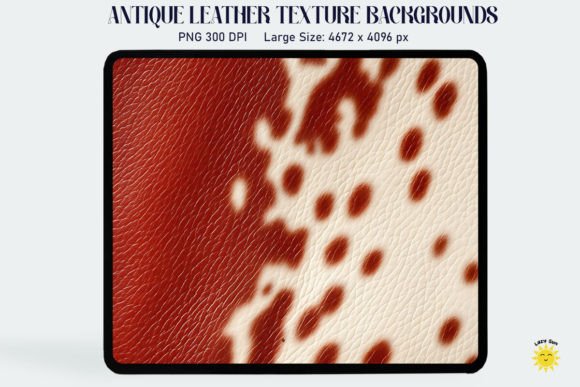
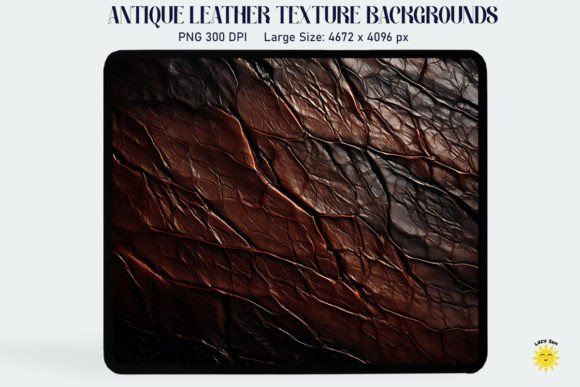
Opening Antique Leather Texture Backgrounds feels like unrolling a well-worn journal—rich in tone, subtle in contrast, and deeply tactile in digital form. These aren’t glossy or hyper-realistic leather simulations; they’re intentionally weathered, softly distressed, with visible grain, faint creases, and gentle tonal shifts that suggest age without looking damaged. The mood leans into quiet sophistication—rustic but refined, nostalgic but not kitschy. It’s the kind of graphic design asset that quietly signals craftsmanship, heritage, and intentional minimalism. Think artisanal soap labels, vintage-inspired wedding stationery, or premium planner inserts—not cartoonish stickers or neon party invites.
Who’s This For? Niche Alignment Matters
If your shop serves customers who value authenticity over flash—Etsy buyers searching for “handmade aesthetic,” Canva template sellers building elegant business kits, or print-on-demand shops curating autumnal or apothecary-themed collections—Antique Leather Texture Backgrounds fits naturally. It resonates with small business branding focused on warmth, tradition, and tactile storytelling. It’s less effective for playful kids’ clipart bundles, high-contrast t-shirt graphics, or ultra-modern tech branding. That’s not a flaw—it’s clarity. Knowing where it *doesn’t* belong is just as valuable as knowing where it shines.
Real-World Product Testing Before You List
I tested these backgrounds across five live product scenarios before publishing anything:
- Printable wall art: Paired with serif typography and botanical line art—printed beautifully on matte cardstock. The texture added depth without competing.
- Canva template pack: Used as layered background elements behind clean sans-serif headers. Worked especially well in “cozy workspace” and “small business planning” themes.
- Cricut project kit: Applied as a base layer under SVG cut files (e.g., monogrammed leather tags). Verified PNG transparency held up cleanly—no fringing around edges.
- Mug sublimation design: Mocked up on ceramic with warm-toned text. The subtle grain softened harsh transitions and elevated perceived quality vs. flat-color backgrounds.
- Digital download bundle: Bundled with coordinating parchment textures and muted ink splatters. Customers responded to the cohesive, tactile feel in reviews.
Where It Elevates Your Listings—And Where to Proceed Cautiously
Antique Leather Texture Backgrounds excels in visual storytelling: product mockups gain realism, Etsy thumbnails stand out among flat-color competitors, and seasonal bundles (think “Fall Journaling Kit” or “Heritage Wedding Suite”) feel instantly grounded. It strengthens brand identity when used consistently across social media graphics, packaging design, and blog headers—reinforcing a handmade business ethos without saying a word.
But caution applies in three areas:
- Text-heavy templates: Avoid using it directly behind dense body copy unless you add a subtle semi-transparent overlay. Legibility drops fast.
- Cricut/Silhouette cutting projects: While the PNGs are clean, avoid embedding fine script fonts *directly* into the texture if sharp cut lines are critical—layer text separately.
- Small-format sticker sheets: At thumbnail size or 1” dimensions, the subtlety vanishes. Reserve it for larger printable designs or full-page layouts.
Practical Seller Checks—Don’t Skip These
Before adding Antique Leather Texture Backgrounds to your next digital download or merchandise line, run these quick checks:
- Preview the PNG file on both white and dark backgrounds—does the grain remain legible?
- Test print a 8.5”x11” sample on your target paper stock. Does the warmth translate, or does it mute into gray?
- Open in Canva or Affinity Designer—does the resolution hold at 300 DPI for print-ready use?
- If bundling with SVGs or clipart, confirm all files share consistent naming and folder structure for customer clarity.
- Pair it with at least three font types: a sturdy serif (e.g., Playfair Display), a clean sans (e.g., Inter), and a restrained script (e.g., Quicksand) to see which visual hierarchy works best for your audience.
- Verify commercial license terms—some versions allow unlimited end-use, others restrict POD platforms. Read carefully.
Final Thought: A Quiet Asset With Strategic Weight
Antique Leather Texture Backgrounds won’t go viral. It won’t scream for attention in a crowded feed. But as a graphic design asset, it builds trust—slowly, steadily, and authentically. It helps digital product creators move beyond “good enough” toward “feels made with care.” Whether you’re launching a new line of printable greeting cards, refreshing your Canva template shop, or designing sublimation-ready mug graphics for Shopify, this background adds tactile credibility without demanding center stage. In a market saturated with loud, trendy assets, its restraint is its strength. Just remember: test early, pair intentionally, and let the texture do the quiet work it was designed for.