Cowhide Leather Texture Graphics & Backgrounds Review
First Impression and the Mood It Creates
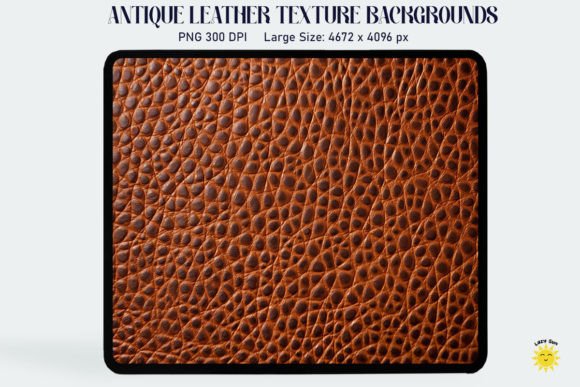
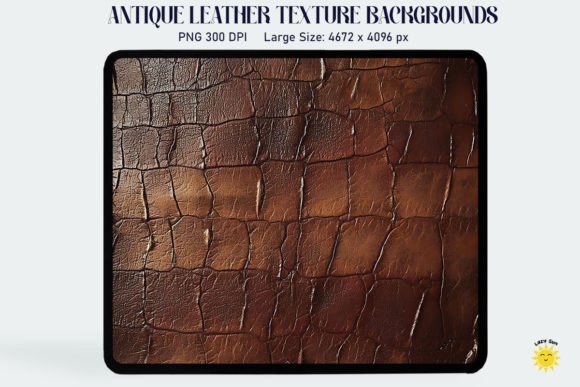
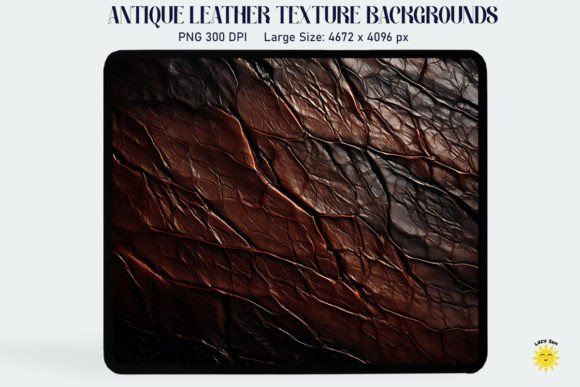
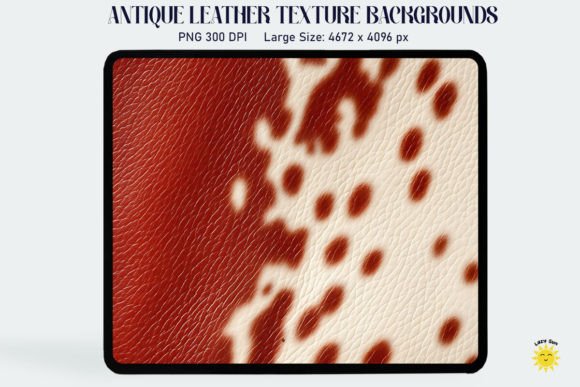
From the moment I opened the Cowhide Leather Texture Backgrounds file, the quality hit me immediately. The surface shows authentic grain, subtle cracks, and that uneven patina only time creates. This is not a flat, digital pretend-leather. The Antique Leather Texture feels genuine—like a well-worn saddle, a library chair, or a craftsman’s apron. For a brand designer, that instant recognition matters. Your audience processes texture in milliseconds, and this backdrop communicates warmth, heritage, and honest craftsmanship before a single word appears.
The emotional tone lands somewhere between rugged and refined. It brings a nostalgic pull without tipping into retro cliché. I saw it and immediately thought of hand-bound journals, small-batch spirits, workshop signage, and lifestyle brands that trade on authenticity. The Weathered Leather Backdrops variations give a designer room to choose between a lighter, sun-baked hide and a richer, oiled antique finish. That range makes the asset more versatile than a single-toned background.
For content marketers, the mood is what stops the scroll. This texture creates a grounded, organic frame. It doesn’t shout. It whispers real. For brands selling handcrafted products, premium services, or story-driven content, that whisper is exactly what builds audience trust.
Fitting into a Real Brand Campaign
Let’s ground this in a practical project. Imagine a small leather goods studio launching a new minimal wallet line. The brand voice is honest, the materials are full-grain, and the visual identity needs to match the product’s quality without looking overly styled. Your social media graphics need to show the wallet in context—not just floating on white.
Here, the Cowhide Leather Texture Backgrounds become the hero surface. A product photo placed over a Classic Leather Backdrop sits in its natural environment. The visual hierarchy stays clean: texture anchors the bottom layer, product sits sharply on top, and a simple sans serif logo sits above. No clutter. No competing patterns. The leather-on-leather pairing reinforces the brand promise of authenticity. The same background can stretch across Instagram posts, Pinterest pins, and a website hero graphic, creating visual consistency that strengthens recognition.
For a coffee roastery promoting a seasonal blend, I would use a Distressed Leather Texture as a warm counterpoint to kraft labels and chalky serif typography. It elevates the messaging from casual café look to curated editorial design. The Cowhide Leather Texture Backgrounds provide a base that feels both intentional and effortless. That balance is rare. It allows the marketing visuals to feel premium without feeling overly designed.
Supporting Marketing Goals Across Channels
A strong graphic design asset does more than look good. It directly supports conversion goals. When I evaluate a texture background, I test it against five marketing objectives: first impression strength, visual hierarchy clarity, brand recognition, product presentation quality, and emotional connection. This texture performs well across all five.
Stronger first impression: The eye lands on the rich, tactile surface and pauses. The texture creates depth that a flat color background cannot match. For digital ads and social media, that pause is valuable real estate.
Clearer visual hierarchy: Textures like these naturally recede when text and product images sit above them. The warm tonal range allows for easy contrast adjustment. A light serif headline on the darker Nostalgic Leather Backdrop reads beautifully, and a bold white sans serif label on the mid-tone surface stays crisp and accessible.
More consistent branding: Using the Cowhide Leather Texture Backgrounds as a recurring visual thread ties disparate content pieces together. A product label, a thank-you insert, a blog graphic, and a Facebook ad can all share the same textural DNA. This builds a cohesive brand identity without forcing every piece into an identical template.
Better product presentation: Products photographed on clean white often look cold and transactional. Layering them over a Weathered Leather Backdrop adds context. It signals handmade quality, durability, and a story behind the product. This is especially effective for packaging design mockups, where the background becomes a subtle stage for the unboxing experience.
Improved audience trust and emotional connection: Authentic textures reduce the gap between digital screen and tangible world. When a customer sees a leather-textured background behind a product label or a promotional banner, the brain registers warmth and realness. That micro-impression builds audience trust over repeated exposure.
Where the Asset Works Best
The Cowhide Leather Texture Backgrounds shine in specific creative applications. Use them as hero graphics on landing pages, where the full-screen texture sets the atmospheric tone before any scroll happens. In campaign headers for email sequences or seasonal launches, the texture adds gravity and separates the brand from generic template looks.
For branded templates and Canva template design, these backgrounds offer a solid foundation. A media kit cover, a lead magnet design, or a Pinterest graphic all benefit from the organic surface. The digital product space relies on visual snap, and a leather texture differentiates instantly from geometric patterns or watercolor washes that flood creative marketplaces.
Packaging accents love leather textures. Think belly bands, hang tags, and inner box liners. The texture printed on kraft or textured paper stock reinforces the tactile promise. For editorial design, a subtle Antique Leather Texture behind pull quotes or section dividers adds sophistication without distracting from reading flow. Social media covers—especially for Facebook brand pages and LinkedIn business profiles—can use the texture as a backdrop for the brand logo or core tagline. It communicates steadiness and professionalism.
Content bundles and digital product showcases also gain from using the texture as a decorative brand element. When you sell a design bundle or a set of printables, the preview graphics matter. A leather-textured background positions the bundle as premium and craft-oriented, appealing to buyers seeking quality over quantity.
Where to Use with Caution
No design asset fits every scenario. The Cowhide Leather Texture Backgrounds deliberately carry a specific aesthetic. Use them sparingly—or not at all—in formal corporate branding. A law firm or financial consultancy needs cleaner, more neutral surfaces. The texture’s organic warmth can undermine a strictly minimal or clinical brand personality.
Dense information layouts, such as long-form blog graphics with multiple text columns or small infographic sections, can suffer. The texture’s visual weight may compete with small type, especially on mobile screens. Always preview the texture on a phone display at actual scroll size. If the grain pattern obscures critical data, simplify the design or apply the texture only to a border element.
Small mobile graphics also lose detail. The fine scratches and patina variations compress into muddy brown on compact screens. For Instagram Story elements or small digital ads, consider using the leather texture as a colored border or subtle accent rather than a full-bleed background.
Low-contrast backgrounds combined with thin script fonts or light handwritten fonts become illegible fast. Text-heavy ads where the leather texture competes with a value proposition headline can confuse the message hierarchy. In these cases, use the texture behind a solid overlay or as a framed outer margin.
Brands with extremely delicate, pastel, or ultra-light visual identities may find the leather texture too heavy. It brings a grounded, earthy weight. Pair it with brands whose values align with that energy—outdoors, heritage, craft food, slow living, independent publishing, artisanal goods.
Practical Brand Designer Notes
Before committing Cowhide Leather Texture Backgrounds to a client project or a paid campaign, walk through a quick checklist. Test the texture with the full brand color palette. Use blend modes—multiply, overlay, soft light—to tint the leather to match brand tones. A warm brown base can shift toward cooler espresso, terracotta, or deep charcoal with simple adjustments, extending the design asset versatility.
Check black and white usage. A leather texture that looks rich in color may become muddy in monochrome. For printable design intended for black-only laser prints, confirm that the texture retains enough contrast. The Classic Leather Backdrops with more defined grain usually translate better to single-color output than subtler distressed variations.
Place the texture inside real campaign mockups. Swap it into a previous brand post, a product label proof, or a website header comp. Compare the before and after. The improvement often comes from the texture adding a sense of place. It anchors floating elements and makes the composition feel finished.
Preview on multiple screen sizes. A texture that works beautifully on a 27-inch display may overpower a 6-inch mobile screen. Pay attention to how text sits over the darkest and lightest areas. If contrast dips below comfortable readability, adjust opacity or add a subtle gradient layer to lift the text zone.
Test font pairings thoroughly. A sturdy serif font like a transitional or old-style typeface often pairs beautifully with the leather’s historic feel. A clean modern sans serif font creates a high-contrast contemporary-versus-traditional balance that many lifestyle brands favor. Script and handwritten fonts require careful adjustment; thinner strokes need a lighter, less busy area of the texture behind them. Avoid display fonts with extreme thin thins or ornate details unless the texture is heavily faded.
Review spacing and balance. Distressed textures can create visual noise near the edges. Keep critical elements slightly away from heavily textured zones. The Nostalgic Leather Backdrops with uneven edge wear add character but also draw the eye. Use that to guide attention toward your main message rather than letting the texture dictate the focal point.
Finally, confirm commercial licensing details. If you plan to use the texture in client work, product label layouts for a sold product, packaging design for mass production, or digital ads with paid placement, ensure the license permits those uses. Most professional creative marketplace assets include extended commercial options. Clarify this before integrating the texture into a brand’s permanent identity system.
The Emotional Pull of Worn Surfaces in Modern Branding
There’s a reason textures like Distressed Leather Textures and Weathered Leather Backdrops continue to appear in successful content marketing campaigns. Audiences crave tactile connection in increasingly sterile digital spaces. When a brand uses a leather backdrop, it signals memory, durability, and human hands. It tells a story without speaking. That silent narrative aligns with how people actually make purchasing decisions—through feeling, association, and trust.
A digital product or service offering wrapped in this texture borrows that history. A online course creator selling a storytelling workshop will find a leather-textured lead magnet graphic communicates depth more effectively than a generic gradient. A small business branding project for a heritage bakery will use the texture on menu cards and loyalty cards to evoke time-tested recipes. The asset does not just decorate—it reinforces the professional branding message at an emotional level.
The Cowhide Leather Texture Backgrounds deliver that quality consistently. The single high-resolution PNG design provides enough detail to scale across both digital and print formats. It works as a standalone hero surface or as a subtle overlay mixed into broader compositions. For content creators, social media managers, and indie brand builders, this type of graphic design asset earns its place in the toolkit because it solves a recurring problem: how to make simple text-and-photo layouts feel intentional, warm, and unmistakably branded.
From Instagram posts to email banners, from packaging inserts to editorial design layouts, the leather texture brings a grounding force. It pairs with modern design principles without feeling trendy. It supports visual hierarchy by stepping back while adding depth. It works as a decorative brand element that does not compete, only complements.
For any brand owner, marketer, or designer evaluating design assets for their next campaign, the Cowhide Leather Texture Backgrounds offer a rare combination of aesthetic flexibility and emotional resonance. They carry a mood that words alone cannot easily capture, and that makes them a powerful tool in visual storytelling. Test them, stretch them across your brand contexts, and see how a simple surface can transform perception and deepen connection with the people who matter most to your brand.