Cozy Christmas Backgrounds: Warm Graphics & Backgrounds
Last week I sat down with a hot mug of cocoa and started planning my Etsy shop's holiday product line. I had a stack of blank mugs, a fresh pack of printable sticker paper, and a new graphic design asset I was eager to test before committing it to customer orders. That asset was Cozy Christmas Backgrounds, a collection of comforting Christmas backdrops that promised traditional warmth and snug holiday charm. Right away, I could tell these weren't flashy or trendy in a fleeting way. They felt timeless, the kind of visuals that remind you of crackling fireplaces, wool blankets, and the gentle glow of string lights on a December evening.
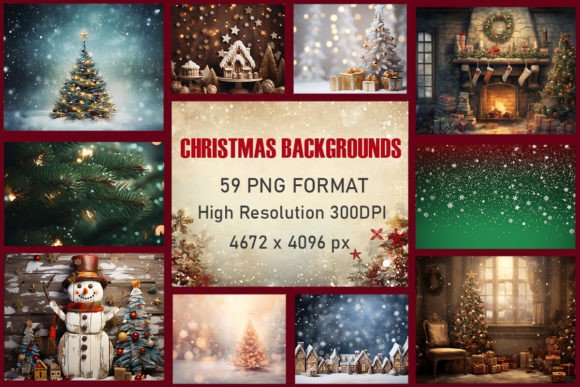
What struck me immediately was the texture work. These PNG design files carry a soft, almost photographic warmth, layered with subtle grain and depth that reads beautifully as both a Photoshop Texture and a Photo Overlay. The collection includes 59 PNG files, each one steeped in traditional Christmas warmth without feeling overly busy or dated. For a handmade business owner like me, that balance matters. I need design assets that enhance my products, not overpower them.
The Cozy Mood These Backgrounds Bring to Handmade Products
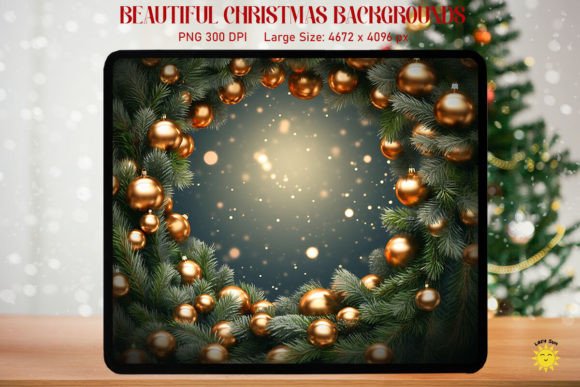
If you sell at craft fair booths or run a seasonal Etsy product line, you know how important mood is. Shoppers don't just buy a mug; they buy the feeling of wrapping their hands around something warm on a cold morning. These backgrounds deliver exactly that sentiment. The palette leans into deep cranberry reds, forest greens, golden ambers, and soft cream tones, all working together to create what I'd describe as Cozy Christmas Decor at its most inviting. It's not minimalist Scandinavian, and it's not cartoonish either. It sits comfortably in that sweet spot of rustic elegance that attracts buyers looking for heartfelt, family-oriented holiday goods.
The Traditional Christmas Warmth embedded in each illustration and backdrop makes them especially suited for products aimed at customers who love classic holiday aesthetics. Think grandmothers shopping for personalized family ornaments, couples picking out their first Christmas together decor, or anyone who prefers a nostalgic holiday feel over modern glitz. When I placed a few of these backgrounds into product mockup templates for my shop previews, the response from my early-bird email list was immediate and enthusiastic.
How I'm Using Cozy Christmas Backgrounds Across My Holiday Product Line
Let me walk you through the real crafting applications I've tested so far. As someone who designs for both Cricut project workflows and Silhouette project setups, I need versatility. Here's where these Snug Holiday Backgrounds have proven genuinely useful in my production pipeline.
For sublimation design, these backgrounds make gorgeous mug design wraps. I printed several onto 11-ounce ceramic mugs, and the warm tones transferred beautifully without losing the subtle texture that makes each PNG design special. The same goes for tumbler wrap applications. A 20-ounce skinny tumbler with one of the deeper red backgrounds and a simple white script name overlay looked like a premium boutique item, exactly the kind of product that commands higher price points at holiday markets.
On the apparel side, I tested a few backgrounds as t-shirt design elements for cozy winter tees and long-sleeve shirts. When paired with a clean SVG design overlay of simple text or a small clipart accent, the result was understated but polished. These aren't bold, in-your-face graphics. They work best when you let them breathe, using them as full-bleed backdrops or soft focal areas rather than cramming them into tight composition spaces.
Paper goods are another strong category. I ran several backgrounds through my printer for printable design projects including greeting cards, gift tags, and party decorations. The texture translated well to matte cardstock, creating an almost letterpress-like depth. For sticker design, I found that larger format stickers worked best. Think envelope seals, journal cover decals, and planner dashboard stickers rather than tiny icon-sized cuts. The planner pages and scrapbooking applications are obvious winners here, especially for crafters who build seasonal memory-keeping kits.
One unexpected but delightful use was handmade packaging. I printed several backgrounds onto lightweight paper and used them as tissue-style wraps inside my shipping boxes. It cost almost nothing extra but elevated the unboxing experience significantly. Small touches like that turn first-time buyers into repeat customers. I also used them for thank-you cards, printing a soft background with a simple "thank you" overlay in a handwritten-style font.
Where These Backgrounds Perform Best in a Crafting Workflow
After a full week of testing across different product types, I can confidently say these backgrounds excel in specific scenarios. They're ideal for large cut files where the full texture can be appreciated. Think tote bag panels, framed printable wall art, and full-wrap sublimation projects. They also shine in clean printable layouts where you're not asking the background to compete with dense text or intricate design elements.
If you're building seasonal craft bundles for your shop, these backgrounds make excellent base layers. I'm currently combining them with coordinating design bundle elements like hand-drawn florals and simple typography sets to create a cohesive holiday collection. The versatility across gift products, decorative accents, and personalized items means I can use the same core asset across mugs, shirts, prints, and cards without my product line feeling repetitive. For small business branding, especially during the holiday push, having a consistent visual thread across your handmade shop collections builds recognition and trust with shoppers browsing your creative marketplace listings.
Where I'd Pause and Test Before Committing
No design asset is perfect for every situation, and I want to be honest about where these backgrounds need extra attention. If you're planning very small cutting details or intricate layered vinyl projects, the soft texture and gradual color transitions in these backgrounds won't translate well to tiny cut lines. The warmth that makes them beautiful in print can become muddied at extremely small sizes. I learned this the hard way trying to use one as a background for a 1.5-inch sticker. It lost all its character and just looked like a smudge of brownish-red.
Similarly, thin lines, crowded compositions, and low-contrast colors should be approached carefully. These backgrounds have a gentle, tonal quality. If you place a delicate serif font in a similar warm tone directly on top without adjusting opacity or adding a subtle outline, the text can disappear entirely. Always preview your PNG transparency against both light and dark mockup surfaces. What looks crisp on a white product mockup might lose definition on a dark garment or a black mug. I also suggest simplifying your layout if you're tempted to add too many elements. Let the background do the heavy lifting on atmosphere, and keep your overlay text or graphics clean and minimal.
Technical Notes Every Serious Crafter Should Run Through
Before you list any finished product using these backgrounds in your shop, here's the practical checklist I run for every new digital product I test.
First, test the file thoroughly before selling finished products to customers. Open each PNG design and check the edges for unexpected artifacts or transparency issues. If you're working with SVG design conversions, confirm that lines are clean and nodes aren't unnecessarily complex, especially if you plan to use them with Cricut project or Silhouette project cutting software. Complex paths can slow down your machine or result in jagged cuts.
Second, confirm resolution for your intended use. These backgrounds are rich and textured, but if you're planning large-format sublimation design prints for oversized products, check that the resolution holds up at full scale. I always do a test print on regular paper before committing to a sublimation blank. It saves money and frustration.
Third, test colors before mass printing. What you see on screen rarely matches what your printer produces exactly. Run a small swatch test and compare it against your product base. Colors that look warm and inviting on screen can skew muddy or oversaturated depending on your printer profile and substrate.
Fourth, check how it looks on white and dark products. A background that sings on a white ceramic mug may feel completely different on a dark slate coaster or a black t-shirt. Always mock it up on multiple surfaces before finalizing your product photography or listing description.
Fifth, pair fonts thoughtfully. These Comforting Christmas Backdrops work beautifully with a wide range of type styles. I've tested them with serif font choices for elegant, traditional holiday cards; sans serif font for clean modern gift tags; script font for romantic personalized ornaments; handwritten font for casual family-oriented products; and display font for bold seasonal statements. The key is contrast. If your background is richly textured, keep your typography crisp and readable.
Commercial Licensing and Selling Finished Products
This is the section I never skip, and neither should you. Before using any graphic design asset for customer orders or handmade business products, confirm the commercial license terms. These design assets are intended for commercial design use, which means you can typically incorporate them into finished physical products and print-on-demand items sold through your shop. However, always read the specific license that accompanies your purchase. Most licenses allow you to sell finished products like mugs, shirts, prints, and stickers, but prohibit reselling the raw files as standalone digital product downloads or including them in competing design bundle offerings. If you're building a creative marketplace presence across multiple platforms, clear licensing protects you and your business.
Building a Cohesive Holiday Collection Around Cozy Christmas Backgrounds
One of the smartest things you can do as a small business branding move is to build a recognizable seasonal collection. I'm using these backgrounds as the visual anchor across six different product types in my upcoming holiday launch. The same warm, traditional palette appears on mugs, tea towels, greeting cards, wrapped canvas prints, sticker sheets, and gift tag sets. When a customer lands on my Etsy product page and sees that consistent Cozy Christmas Decor aesthetic, they're more likely to browse multiple listings and add several items to their cart. That's the power of cohesive Traditional Christmas Warmth running through an entire line.
For print-on-demand sellers, these backgrounds are especially valuable because you can apply them across dozens of product types without redesigning from scratch. A single background can become a mug, a tote bag, a framed print, a pillow cover, and a phone case with minimal additional design work. That efficiency matters when you're juggling production schedules during the busiest selling season of the year.
After a full week of testing, printing, pressing, cutting, and mocking up, I'm genuinely pleased with how Cozy Christmas Backgrounds have performed in my real-world crafting workflow. They're not a magic solution for every product type, but for the right applications, especially larger format prints, warm-toned sublimation blanks, and paper goods that benefit from rich texture, they bring a level of polish that's hard to achieve with flat-color clipart alone. The 59 PNG files give you enough variety to keep a seasonal collection feeling fresh without overwhelming your design process with too many choices. For crafters, Cricut users, Silhouette enthusiasts, and handmade sellers looking to add genuine warmth to their holiday offerings, this graphic design asset is worth testing in your own workflow. Just remember to run your technical checks, pair your fonts wisely, and always confirm your license before those customer orders start rolling in.